|
Science Fiction as Sacred Text
Genre of the Sacred
Specific plot scenarios of any given Sci Fi tale are usually consistent with scientifically established protocol, though some elements may be imaginative and/or speculative. With that said, Sci Fi aficionados must employ the time-honored "suspension of disbelief" in order to fully appreciate... to derive the maximum value of... the genre. Science fiction has always provided its readership with a glimpse of what might be. It is a contemporary “cautionary tale” that examines cultural norms and societal values, while serving to warn humans about traveling down the reckless path. Although Sci fi often features futuristic weaponry and technologies, it is at its best when speculating upon non-consensual reality and any number of other fantastic possibilities that are contrary, yet plausible to known (agreed upon) reality. Science Fiction is an exercise in the consideration of the imaginative potential in a given story’s premise. It modernizes and rationalizes the “tales of wonder” of old. Sci Fi returns the epic story to the realm of possibility in the minds of its audience. It is a contemporary retelling of the great mythic tales of humanity’s ancient past. The hero’s journey… the quest for the Holy Grail… chance meetings with the fairy folk… contact with the gods. The Science Fiction format revives a sense of relevance to this most important oral tradition. In the telling of this modernized mythology, the hero traverses the heavens, not on the back of a winged horse, but in a starship. Demons of old become acid drooling alien creatures. The fairy folk become benevolent almond-eyed visitors from another star system. Camelot becomes “The Federation”. Never-Never land is accessed via a “wormhole” or “star-gate.” The very gods become ancient astronauts. The medium through which our modernized myth
is conveyed is a crucial component of the story’s telling.
Traditionally, Sci Fi has been enjoyed and contemplated in text
format. Reading a thought-provoking Sci Fi book is a wonderfully
intimate experience that allows for meticulous philosophical
contemplation. Certain tales that border on the fantastic are well
suited for other types of media... especially the "silver screen." Although acid drooling aliens may
not
The magnitude of the Sci Fi tale tends to accommodate large, far reaching consequences if a given scenario is played out to its logical, if not inevitable conclusion. The scope of the dilemma often is global (if not galactic) and usually deals with catastrophic, civilization ending events. Popular forms include giant asteroids careening toward earth… exceptionally virulent strains of alien virus brought back inadvertently on a returning spacecraft, decimating earth’s population… and various forms of weird science, run amok. More often than not, these catastrophic consequences are a result of unwise choices made by humans or humanity. Of all the Sci Fi scenarios that thrill, instruct and forewarn us, the most compelling, most introspective one is that of “contact”. Close encounters with the “Other” has always captivated the imagination of humanity. Great earthling philosophers such as Georg Wilhelm Friedrich Hegel and Jean-Paul Sartre have postulated that a person's cognition or definition of the 'Other' is paramount in defining one’s sense of self. When the “Other” is from a different star system, the philosophical consideration of self and self consciousness re-focuses to humanity as a galactic species. We are no longer alone in the vastness of universe but are part of a larger community. The moral consideration given to other-worldly beings provides new insight into how we perceive ourselves.
Consequently, Sci Fi can rise to status of parable in that it can provide contemplation on how to live one’s life. It ties in the ramifications associated with the decisions being pursued within the story by illuminating the moral and ethical considerations, as well as practical outcomes. In this way, Sci Fi becomes a forecasting instrument... a predictor of the near-future based upon current events. It acts as a “moral compass” that allows for self-reflection and soul searching. Herein lies the true value of the medium. It becomes a measuring rod whereby we gain perspective on our humanity. It becomes a lightning rod that conducts the power of universe and infuses us with renewed sense of wonder in experiencing universe.
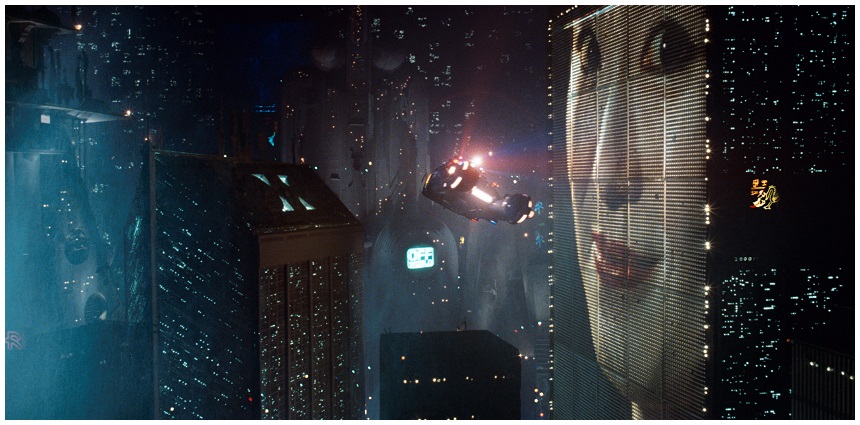
Prophets of the Genre The first prophet of Science Fiction has to be Philip K. Dick (12/16/28 to 3/2/82) whose published work during his lifetime was almost exclusively written in the Sci Fi genre. The predominant theme of Dick’s work is spirituality, as explored through several religions and philosophies, including Christianity, Taoism, Gnosticism and even Jungian psychology. Dick explored sociological, political and metaphysical themes in novels dominated by monopolistic corporations, authoritarian governments, and altered states. In retrospect, Dick's body of work keenly predicted contemporary concerns regarding the rise of the "Terrorism-Industrial-Complex" and the modern "Security State." In his later works, Dick's thematic focus revolved around his personal interest in metaphysics and theology. This focus culminated in his masterpiece VALIS trilogy. The title is an acronym for Vast Active Living Intelligence System, Dick's contemporary gnostic vision of God as information. In the first book of the trilogy, also titled VALIS, the metaphor for God takes the form of an intelligent satellite originating from the star Sirius in the Canis Major constellation, in orbit around our planet and in communication with the hero of the story, Horselover Fat. Blurring the distinction between fact and fiction, Dick himself recieves information from VALIS, which he chronicled in a gnostic journal he titled Exegesis.
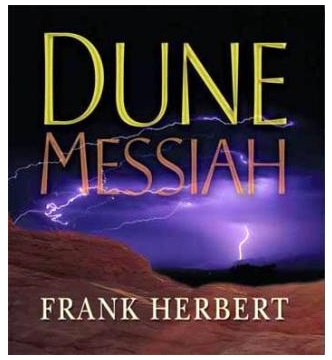
Herbert’s masterpiece of Sci Fi was the Dune series. Dune chronicles the life and times of young Paul Atreides, aka: Maud’Dib as he and his family accept control of the desert planet Arrakis, the only source of the prescient awareness inducing spice… melange, the most important and valuable substance in the universe. The story explores the complex and multilayered interactions of politics, religion, ecology, technology and human emotion, as factions of the Empire confront each other for control of Arrakis and its spice. The prophetic aspects of the series studies to destructive nature of fanaticism (jihad), and the adverse environmental impact of extractive economies (spice=oil). Herbert was one of the first authors of the genre to draw attention to environmental considerations.
The above list only scratches the surface of the incredible wealth of authors who write in the Sci Fi genre. Dozens of names come to mind such as Asimov, Bradbury, Clarke… and that’s just the first 3 letters of the alphabet. Sacred Text
The essential importance and value of Sci Fi
as a medium of the sacred is its ability to examine the age old
questions with new eyes and to consider new possibilities in
relation to “the powers that be” in our phenomenal universe. The old
myths and legends transform anew into contemporary relevance as our
consciousness reaches out to the stars. As the newly recycled
parables present themselves, the new perspective brings fresh
insight. An example of looking at old wisdom with new eyes…
specifically in reference to our experience of the “other-worldly
other”… the ancient truth known as
Are our contemporary Science Fiction tomes comparable to the sacred texts of Old Earth’s great religious and philosophic traditions? Is the comparison absurd? Do they have the richness of content… the density of information? Does Dick’s Exegesis have the philosophic legs to be able to stand next to the Essene fragments of the Dead Sea Scrolls? Today… the answer is… probably not… with the following caveat: What would future historians think of these works if they were recovered in some archaeological dig of the 23rd century? Would today’s Science Fiction be looked upon as entertainment, or would they be studied as the beginnings of a new philosophic amalgamation? Would they be looked upon as a bridge between archaic earth-centric traditions and a galactic worldview? What began in the last half of the twentieth century as UFO phenomena, evolved into a global expectation of “disclosure” in the first half of the twenty-first century. At this most interesting juncture in history, would the above authors be seen as obscure story tellers or something more? At the end of the day… any literature (or science) is only as good as its ability to teach us something about ourselves. If it can do that, then its worth the paper (or parchment) it’s written on. (copyright © 2012 - Jack Heart)
The Azhar Book Exegesis
Jedi Academy
Space Age Satori
2001: a Space Odyssey
vs Planet of the Apes
|

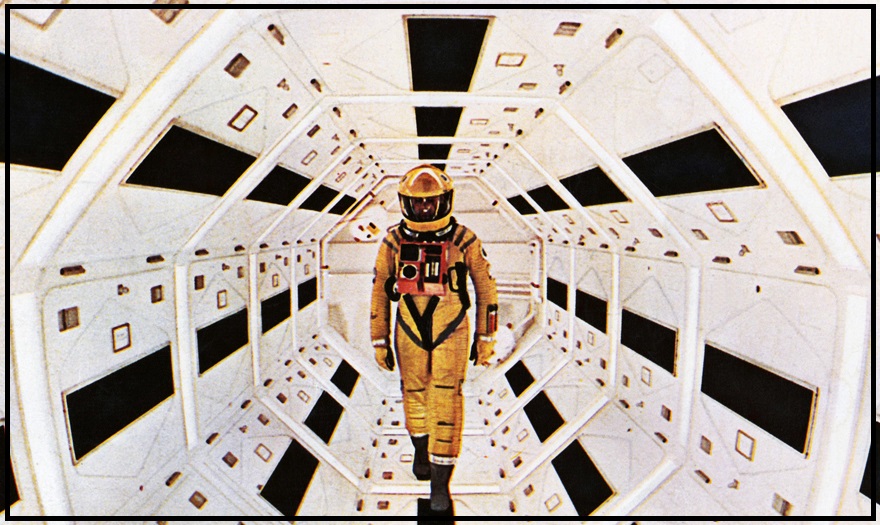
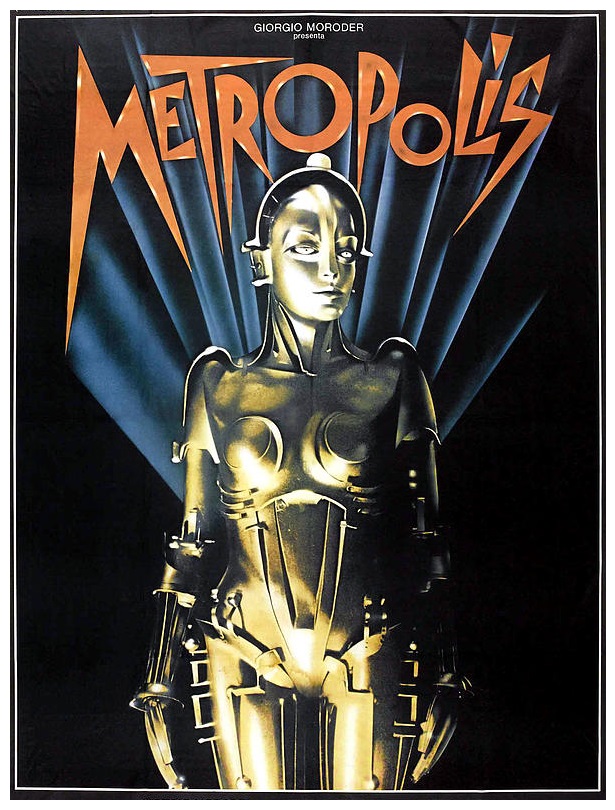 To most of us, science fiction is a
sub-genre of fiction. Typically framed in a futuristic setting, Sci
Fi most often explores scientific innovation and the philosophical or
humanitarian ramifications of such. It is a medium of "Big Ideas" ...encompassing civilization-wide themes and sweeping technologically driven
scenarios, often incorporating alternative histories or timelines.
To most of us, science fiction is a
sub-genre of fiction. Typically framed in a futuristic setting, Sci
Fi most often explores scientific innovation and the philosophical or
humanitarian ramifications of such. It is a medium of "Big Ideas" ...encompassing civilization-wide themes and sweeping technologically driven
scenarios, often incorporating alternative histories or timelines.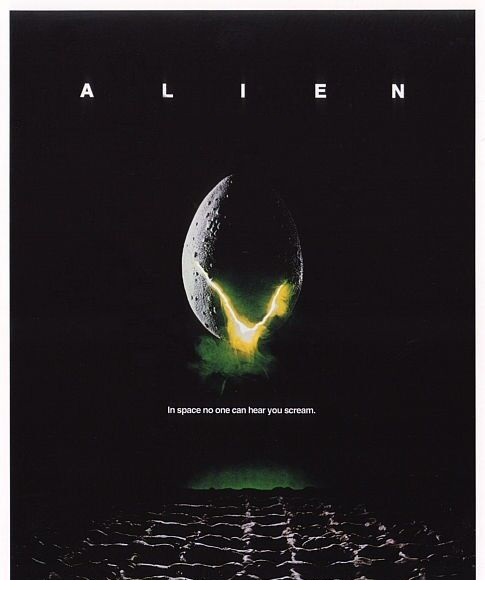 seem believable upon calm reflection… safe and sound in one’s
own living room… the suspension of disbelief is complete while at the
cinema-plex… bombarded by Dolby surround-sound and viewed in
ultra-mega 3D. Media aside, the context of events placed in a
technological near future are more compelling for a contemporary
audience.
seem believable upon calm reflection… safe and sound in one’s
own living room… the suspension of disbelief is complete while at the
cinema-plex… bombarded by Dolby surround-sound and viewed in
ultra-mega 3D. Media aside, the context of events placed in a
technological near future are more compelling for a contemporary
audience.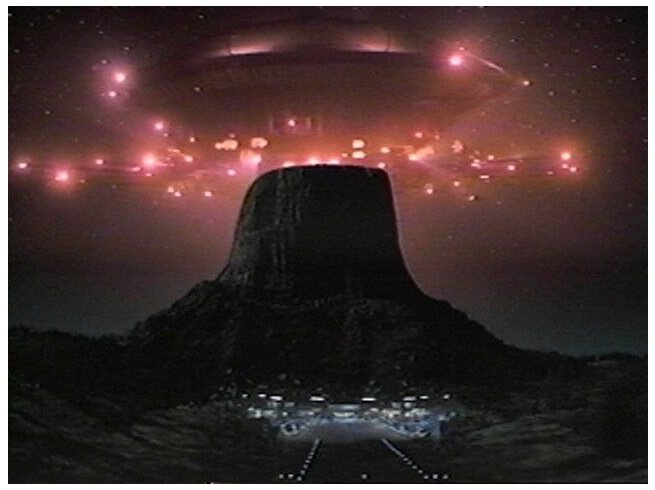
 Another prophet of Sci Fi is
 Honorable mention goes to
 The works of the great science fiction
writers, such as Dick’s Exegesis, provide new perspective on the
earth-bound myths and become a wellspring from which we draw fresh
philosophic sustenance. The greater the insights, the more important
and valuable the texts become. Sacred texts
The works of the great science fiction
writers, such as Dick’s Exegesis, provide new perspective on the
earth-bound myths and become a wellspring from which we draw fresh
philosophic sustenance. The greater the insights, the more important
and valuable the texts become. Sacred texts  the golden rule becomes:
Treat
alien entities as you would like to have alien entities treat you.
the golden rule becomes:
Treat
alien entities as you would like to have alien entities treat you.
